Romancecar vs Shinkansen: which one gets you to Hakone
Take the Romancecar. It is the cheaper of the two, it is the only one of the two that reaches Hakone at all, and you stay in the same reserved seat from Shinjuku to Hakone-Yumoto. The Shinkansen route means getting yourself to Tokyo Station, riding to Odawara, and changing onto the Hakone Tozan Line for the last stretch. On riding time alone the bullet train is ahead. Once you add the change, the gap gets small, and you have paid more for it.
The arithmetic
Both of these are limited-express services, so both charge a surcharge on top of a base fare. Laid out, it is not close.
- Romancecar: base fare ¥1,270 plus the limited-express surcharge ¥1,200 gives ¥2,470, Shinjuku to Hakone-Yumoto, no change.
- Shinkansen unreserved: base ¥1,520 plus ¥1,760 gives ¥3,280 to Odawara, plus ¥360 on the Hakone Tozan Line, so about ¥3,640.
- Shinkansen with a reserved seat: ¥3,610 to Odawara plus ¥360, so about ¥3,970.
- The Romancecar is roughly ¥1,170 cheaper than the unreserved Shinkansen route, before you count the change.
Time, honestly
Tokyo to Odawara is roughly 27 to 40 minutes, depending on service. I will not give you a single figure for it, because Kodama stops at everything and some Hikari services do not, and one number would be wrong for half of you. Add 14 minutes from Odawara and you are at Hakone-Yumoto in somewhere around three quarters of an hour of moving. The Romancecar takes 75 to 90 minutes. On paper the bullet train wins by about half an hour; in practice that margin pays for whatever you wait at Odawara and whatever it costs you to reach Tokyo Station instead of Shinjuku. If you are staying anywhere near Shinjuku, the Romancecar is often the faster door to door.
Nozomi does not stop at Odawara
This is the detail that ruins mornings. Odawara is served by Kodama and by some Hikari services. Nozomi runs straight past. If you are holding a bullet-train plan for Hakone, check the service, not just the line.
What works
- The Romancecar is direct: one seat, Shinjuku to Hakone-Yumoto
- ¥2,470 against about ¥3,640 for the Shinkansen route
- Seats are reserved, so you sit down with your luggage
- It arrives where Hakone actually starts, not at a transfer
Worth knowing
- Roughly one to two an hour, more at peak, and we could not verify a timetable
- The ¥1,200 surcharge is extra on top of a Hakone Freepass, each way
- Ordinary Odakyu trains cost ¥1,270 if you would rather stand for two hours
- The Shinkansen is genuinely faster in raw riding time
Where the Shinkansen does earn its place
On the way home. After a long day, a coach back into Tokyo traffic is the worst part of the trip, and two of the tours here hand you a one-way bullet-train ticket from Odawara instead. Hans-Juergen, who took one of them, wrote simply: “Going back by Shinkansen was a Great experience”. That is the one direction in which paying Shinkansen money for a Hakone trip makes obvious sense. The rest of the comparison, including what a whole day costs each way, is on the cost page, and every route in full is on Tokyo to Hakone.
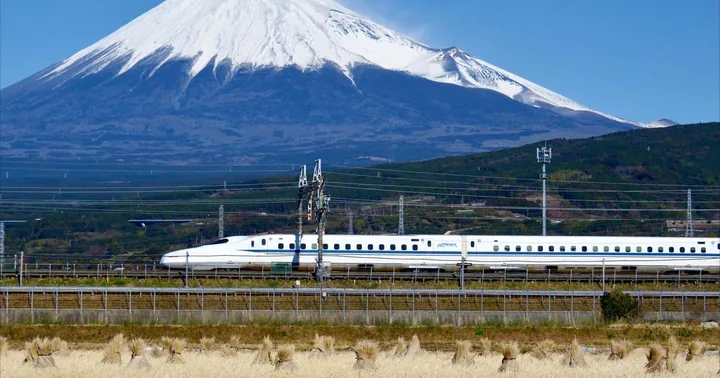 Shinkansen homeRopeway, cruise & Shinkansen
From Tokyo: Mt. Fuji & Hakone Tour w/ Return by Bullet Train
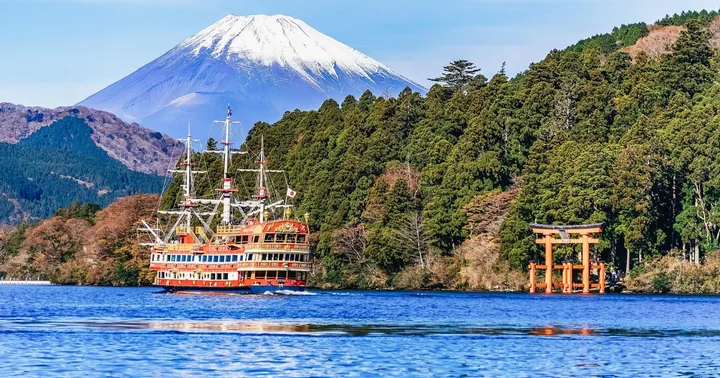 All-inclusiveRopeway, cruise, lunch & Shinkansen
Tokyo Mt Fuji 5th St & Hakone Cruise Bus Tour w/Bullet Train
Frequently asked questions
Is the Romancecar cheaper than the Shinkansen to Hakone?
Yes, and by a clear margin. ¥2,470 direct against about ¥3,640 for the Shinkansen to Odawara plus the Hakone Tozan Line. It is also the only one of the two that reaches Hakone without a change.
Does the Shinkansen stop in Hakone?
No. There is no Shinkansen station in Hakone. The nearest is Odawara, from where the Hakone Tozan Line runs to Hakone-Yumoto in about 14 minutes for ¥360. Every route is compared here.
Which Shinkansen services stop at Odawara?
Kodama services and some Hikari services. Nozomi does not stop at Odawara, so check the service and not just the platform.
Is the Romancecar included in the Hakone Freepass?
The ordinary fare is; the limited-express surcharge is not. That is ¥1,200 extra each way for an adult and ¥600 for a child on top of the pass. Whether the pass pays for itself at all is worked through on the Freepass page.